 Published by Sue Johns-Chapman
Published Date 08.09.2026
Published by Sue Johns-Chapman
Published Date 08.09.2026 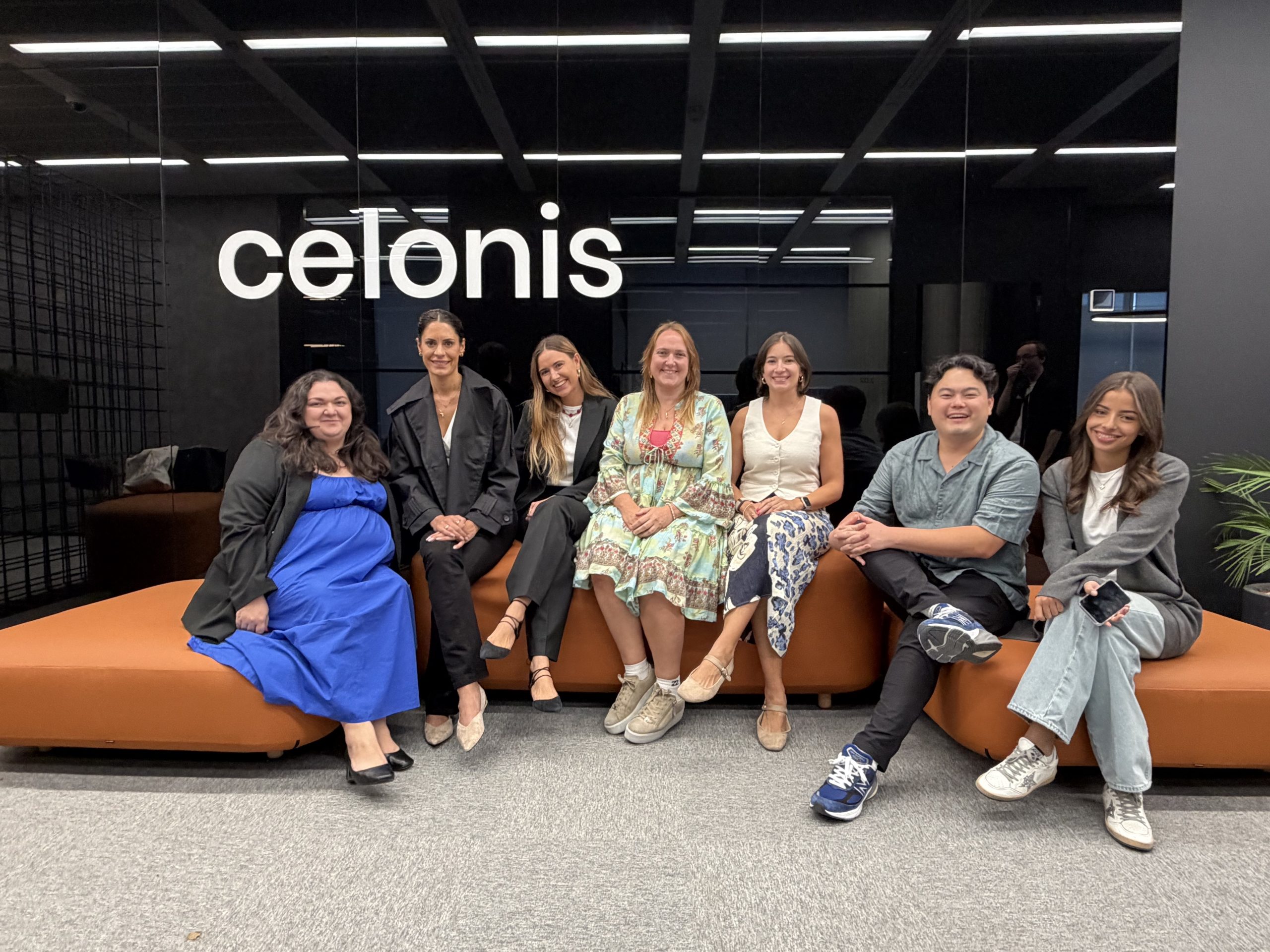
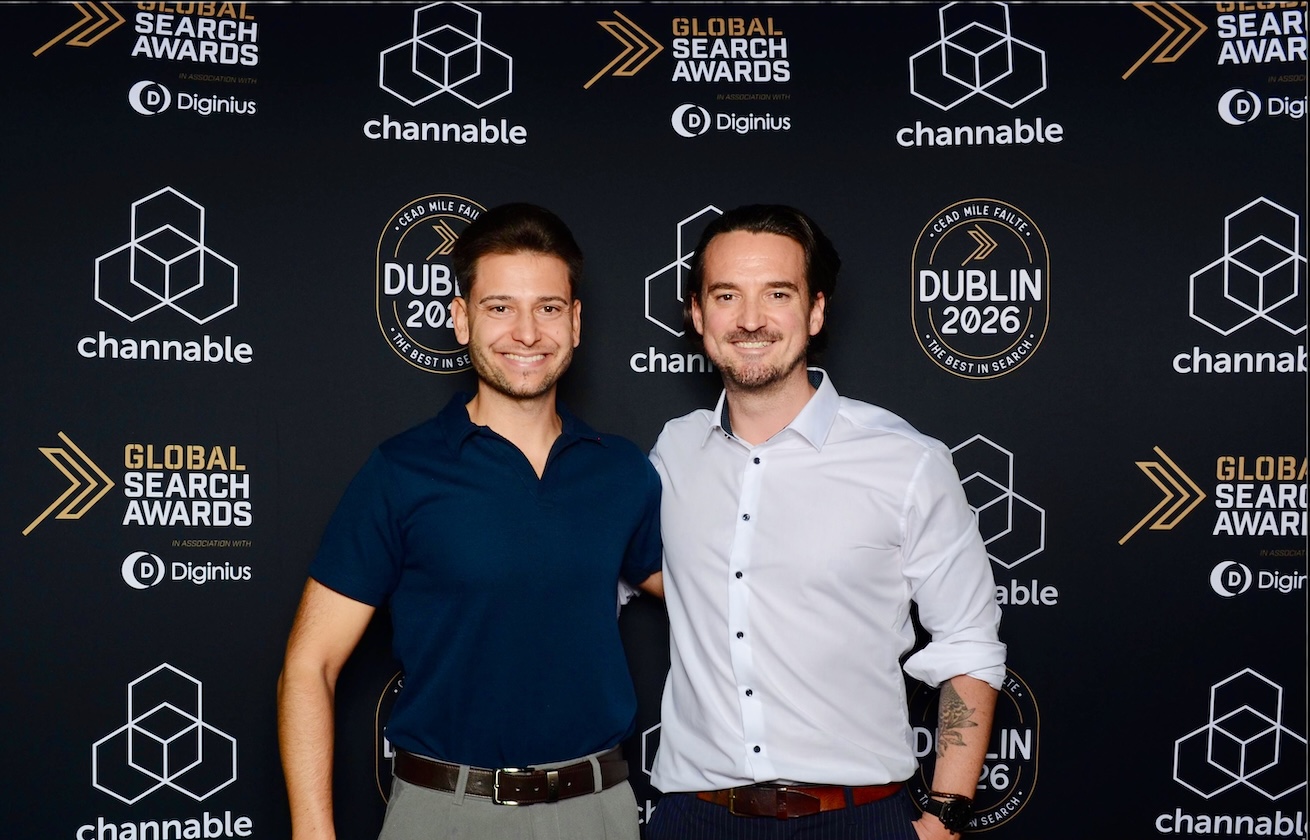
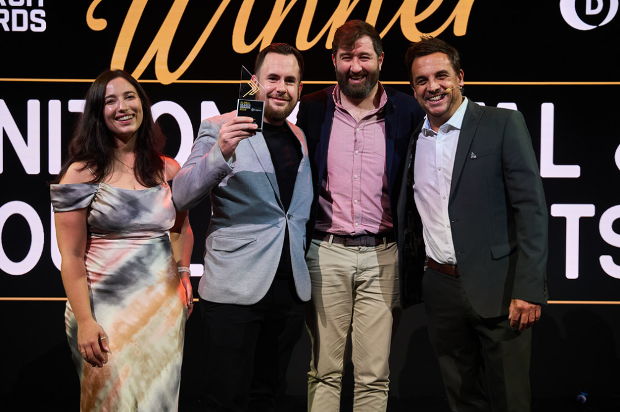
Celonis is excited to be a finalist for the Global Search Awards 2026 in the Best Use of Search B2B (PPC) category. We are incredibly proud of our team for their hard work and for finding new ways to drive our digital marketing forward.
Founded in 2011, Celonis makes processes work for people, companies, and the planet. We pioneered the process mining software category and launched the leading Process Intelligence Platform. Today, we give companies the operational context they need to industrialize Enterprise AI. The Celonis Platform combines process data, business knowledge, and intelligence to create a living digital twin of the enterprise that AI can understand. Thousands of global customers use Celonis to analyze, design, and operate AI-driven processes that drive meaningful business outcomes. We are headquartered in Munich and New York City and have more than 20 offices worldwide.
Volume-first approach is a trap for B2B marketers
When we look at search industry trends, ad platforms are currently pushing advertisers to feed their AI algorithms’ massive amounts of data. The standard advice is to optimize for volume so the machine learning models can exit their learning phases quickly.
But B2B sales cycles are long and complex. If you tell an ad platform to optimize for top-of-funnel actions like eBook downloads or generic lead forms, the AI does exactly what you ask. It finds users who like to click on eBooks. But these individuals may not be ready to buy enterprise software. You’re generating volume, but not value. Successful B2B marketers don’t need more data, they need better data.
This insight is the foundation for our nominated campaign, and it proves that marketers can improve lead quality and pipeline efficiency without increasing media spend.

Taking AI from chasing cheap clicks to targeting high-intent leads
To achieve this, we did the opposite of what the ad platforms recommended. We overhauled our conversion strategy and deliberately restricted what data the algorithms used. Instead of optimizing our campaigns for any top-of-funnel lead, we focused the AI on a single, down-funnel action.
We partnered closely with our internal customer relationship management (CRM) team to implement strict offline conversion tracking. By feeding the ad platforms only our highest-intent marketing qualified leads (MQLs), we forced the AI to stop chasing cheap clicks and focus only on the prospects with the greatest chance to translate into pipeline.
Using this smaller, more narrowly defined dataset, our lead volume dropped initially. But after several weeks, our cost per target account lead dropped, and we saw a massive surge in pipeline-ready prospects across the major search engines. Ultimately, our new strategy influenced a significant amount of pipeline for the fiscal year and drastically improved our return on ad spend.
The entire performance marketing team worked hard to test and refine this new approach, and we’re proud of the results. Our strong internal partnerships were also key for the project’s success. We worked hand in hand with the CRM team to map our data correctly. We collaborated with our web, content, and design teams to ensure our landing pages were optimized and simplified for high-value conversions.
“Being a finalist for a Global Search Award is an honor and validates our team’s belief that B2B marketers do not have to surrender to algorithmic bloat,” said Cristina Bloyd Dubra, Director of Performance Marketing & SEO at Celonis. “This recognition shows that marketers can rewrite the rules of smart bidding and reclaim control from the platforms to scale pipeline on our own terms.”
We are excited to connect with other leaders in the digital marketing space at the upcoming awards. We look forward to testing new ideas and continuing to drive measurable growth for Celonis.
To keep up with our latest updates, follow us on LinkedIn and Twitter/X.
Author
David Kim, Principal Performance Marketing Manager, Celonis